How It Began: A Kitchen Table, Not a Boardroom
Before HomeTeams was an app, a company, or a category of care, it was an idea carried in the heart of our founder, Steve White.
When Steve's parents, Dale and Jane, entered what Steve calls the fourth quarter of life, the healthcare system offered them two options: high-cost institutional care, or their family carrying everything alone. Neither worked.
Dale was in a facility that cost about $12,000 a month. He still wasn't thriving.
Dale had spent his life as a pastor, making strangers feel like family. Jane, a nurse, spent hers helping others feel safe, seen, and cared for. Now it was their turn to be cared for, and Steve refused to let the system forget them.
So he built something different.
A Team for Dale and Jane
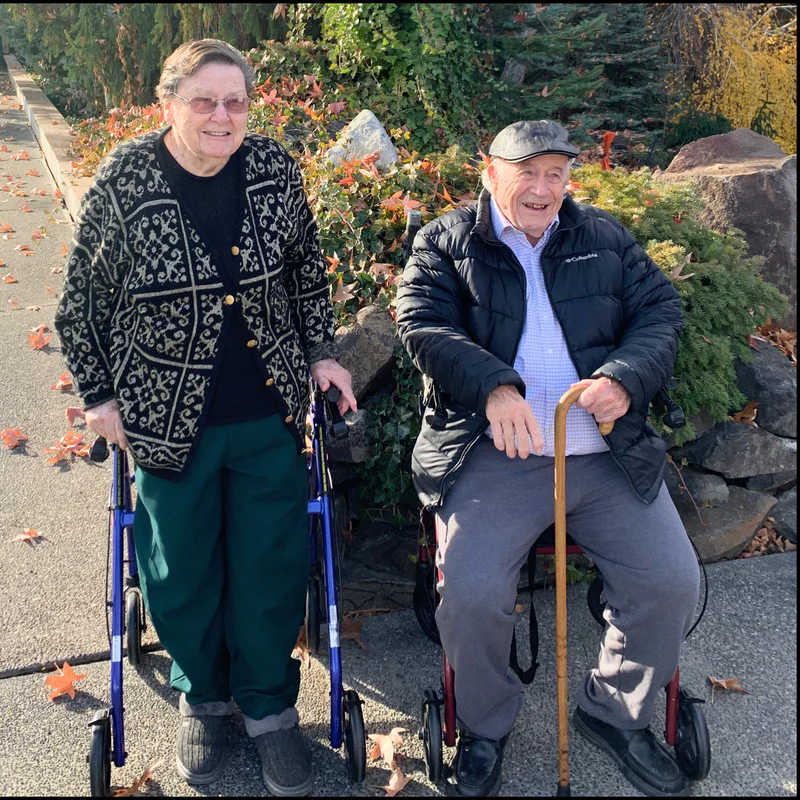
A Team for Dale and Jane
Steve brought together the people who already loved his parents: friends, neighbors, church members, volunteers. He gave them roles and turned them into a coordinated HomeTeam. They didn't just visit. They showed up, consistently.
Grocery deliveries
Companionship
Medication help
Housekeeping
Rides to appointments
Shared laughter and purpose
None of it was complicated. A nephew having coffee with Grandma at two o'clock. A neighbor dropping off vegetables once a week. The kind of help people are glad to give when someone finally hands them a piece of it.
What Changed
The cost of Dale's care came down from about $12,000 a month to about $2,500.
That number gets the attention, and it should. But it wasn't the thing that surprised Steve most.
Dale and Jane lived in the middle of love instead of loneliness. And the people caring for them got healthier too. Volunteers came out of depression, isolation, and their own fear of aging. One man started exercising again, because having someone to care for gave him a reason to.
Steve expected caregiving to drain people. He watched it do the opposite.
Dale's care is one family's experience. Results vary.
Caring Changes the Giver
This became the foundation of HomeTeams: care is healthier when it's shared.
It is also, by now, one of the better-supported findings in caregiver research. Caregivers who carry it alone often end up sicker than the person they're caring for. Caregivers who carry it with others don't.
That's the whole insight. Not that caring is a burden to be distributed more fairly, but that caring is something close to medicine, and that the person giving it gets a dose too.
Someone turning 65 today has close to a 70% chance of needing long-term care at some point. A private room in a nursing home now runs a national median of about $10,800 a month. Most families can't absorb that. Most older adults don't want it.
And the help is often closer than it looks. The typical American adult lives about 18 miles from their mother. Families, caregivers, and aging adults are overwhelmed, and not because they don't care. Because they're trying to do it alone.
Every Home Deserves a Team
What Steve built for his parents is now the blueprint.
HomeTeams brings together the people who already love you: family, friends, neighbors, community members. It gives them tools to share responsibilities, organize life and health in one place, communicate clearly, learn how to care, and respond early instead of waiting for an emergency.
Coach AI sits alongside the team, not in front of it. It answers the question in front of you at eleven at night, in plain words, because it knows the plan, the medications, and who on your team to pull in.
Human connection first. Technology in support of it.
Why Team-Based Care Works
Modern healthcare is reactive. People wait until something goes wrong, then scramble.
HomeTeams changes who is watching. It gives the people closest to you an active role in your wellbeing every day. Not as medical replacements. As partners in support, communication, and early intervention.
When teams coordinate, crises drop. Loneliness decreases. Caregivers burn out less. Older adults stay independent longer. Families feel connected instead of overwhelmed.
As Steve puts it: health is a team sport.
The Heart Behind the Mission
Steve's conviction didn't come from theory. It came from survival.
A former quarterback, he carried hidden brain injuries that led to seizures, depression, and years of unexplained suffering. Later came diagnoses of lupus and APS. At his lowest, his cognitive scores were still falling and his doctors had run out of options to offer him.
He rebuilt his life by caring for others first. Neighbors. Single mothers. Elders in his community. Small things, done on purpose, every day.
And he found something he hadn't expected: caring for other people is one of the healthiest things a human being can do. Physically. Emotionally. Spiritually.
When he applied that to Dale and Jane, HomeTeams was born.
The Fourth Quarter
In football, the fourth quarter is when everything matters most. In school, the fourth quarter is when you get serious. Everywhere in life, the fourth quarter matters.
Everywhere except life itself.
Steve's mother was given a week to live. She lived fourteen more months, and she spent them telling a woman who cleaned her house how to survive a divorce. Ninety years of wisdom, still being handed to someone who needed it.
That is what gets lost when we decide the last season doesn't count.
What Comes Next
HomeTeams is built for young families juggling modern life, adult children supporting aging parents, caregivers who have been doing this alone, older adults who want independence with support, communities looking for stronger connection, and the hospitals and clinics trying to deliver better outcomes at lower cost.
No one carries it alone. Every home deserves a team.
Start Yours
HomeTeams is free to download on iOS and Android. Bring in the people who are already helping, give each of them a part, and see what changes.
Learn more at www.hometeams.io